
 August 13, 2026
 19
Views
19
Views
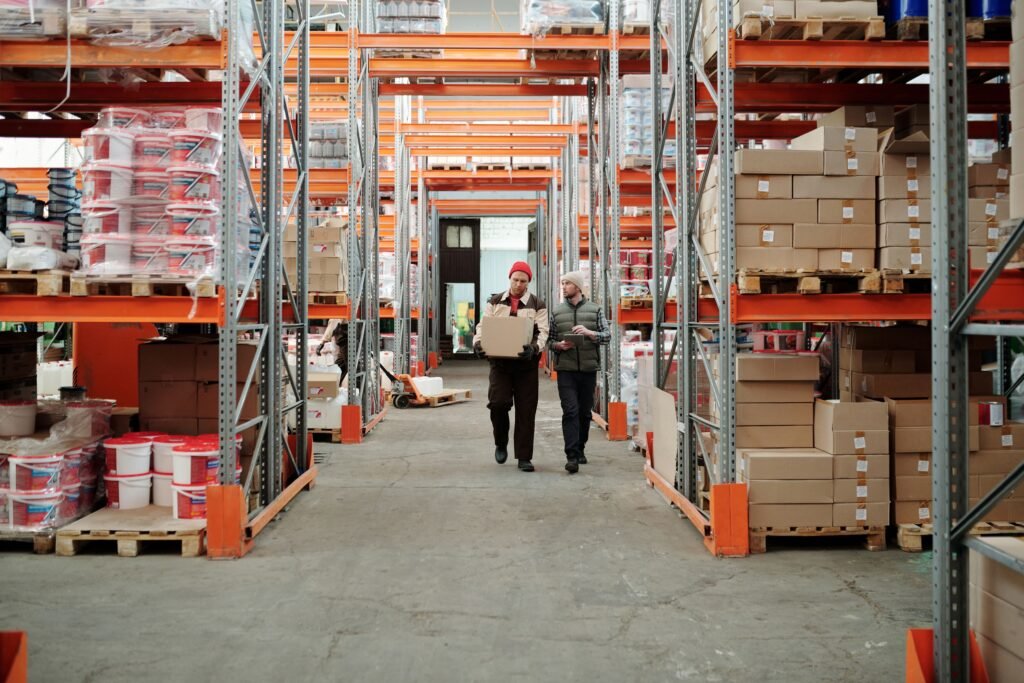
The UAE has established itself as a major global logistics and trade hub, connecting businesses across Asia, Europe, Africa, and the Middle East. As trade becomes more complex and customers expect faster deliveries, logistics companies are increasingly turning to technology to improve efficiency and visibility.
In 2026, digital transformation has become an important part of the UAE’s logistics strategy, with national initiatives focusing on smarter systems, stronger supply-chain integration, and greater resilience.
1. AI Is Improving Logistics Planning
Artificial intelligence can help logistics companies analyse large amounts of information and make better operational decisions. Companies can use data to forecast demand, plan routes, identify potential delays, and optimise inventory.
For logistics businesses, this can mean fewer unnecessary journeys, better use of warehouse capacity, and faster responses when conditions change.
2. Real-Time Shipment Visibility Is Becoming More Important
Customers increasingly want to know exactly where their shipments are and when they are expected to arrive. Modern tracking systems allow logistics companies to monitor cargo throughout its journey.
Dubai Customs, for example, has introduced Shahin, a smart truck and cargo tracking system designed to provide real-time visibility from customs entry points through to the final destination.
3. Connecting Different Modes of Transport
The future of logistics isn’t just about improving individual transport methods. Connecting sea, air, road, and warehouse operations can make the entire supply chain more efficient.
Dubai is already working toward stronger integration between sea and air cargo, while the planned Dubai Logistics Corridor aims to connect Jebel Ali Port, JAFZA, and Al Maktoum International Airport.
4. Supply Chain Resilience Is Becoming a Priority
Recent disruptions to global trade have highlighted how quickly transportation routes can be affected by geopolitical and economic events. Businesses therefore need supply chains that can adapt when a particular route, supplier, or transport method becomes unavailable.
For UAE logistics companies, this means having alternative routes, reliable technology, strong supplier relationships, and access to multiple transportation options.
5. Skilled Professionals Will Remain Essential
Technology may automate many logistics processes, but experienced professionals will continue to play an important role. Companies need people who understand logistics operations while also being comfortable with digital systems and data.
Some increasingly valuable skills include:
- Supply chain planning and analysis
- Warehouse and inventory management
- Data analysis and digital tools
- Transport and fleet management
- Procurement and supplier management
Final Thoughts
Technology is changing logistics from a traditional transportation-focused industry into a highly connected, data-driven business. For UAE companies, investing in digital systems can help improve efficiency, visibility, and resilience as global trade continues to evolve.
The businesses that successfully combine technology, infrastructure, skilled people, and strong supply-chain partnerships will be better positioned to compete in the UAE’s rapidly developing logistics sector. The UAE’s current strategy reflects exactly this direction, with digital transformation and supply-chain resilience at the centre of its logistics development plans.